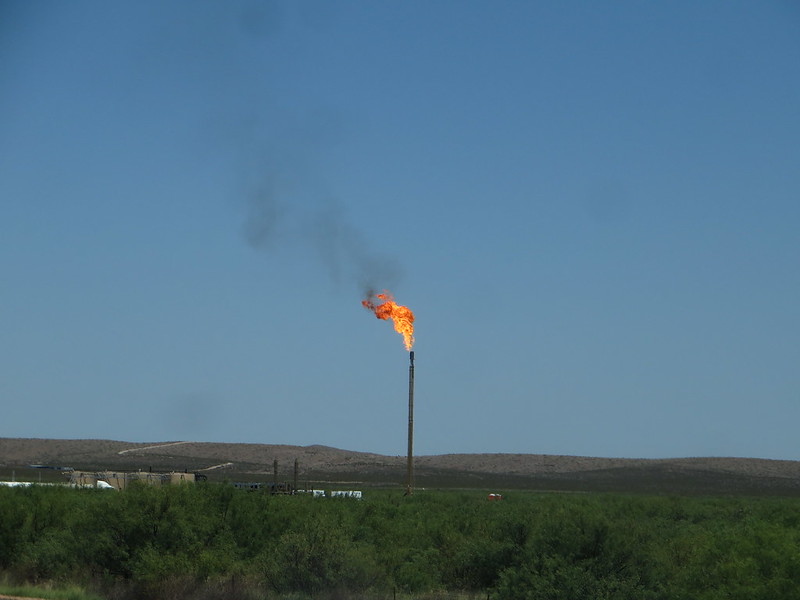
In order to curb climate change, climate policies must go beyond mitigating CO2 emissions and focus on “short-lived climate pollutants” such as methane, hydrofluorocarbons, and black carbon, new research concludes. The scientific study found that curbing climate...
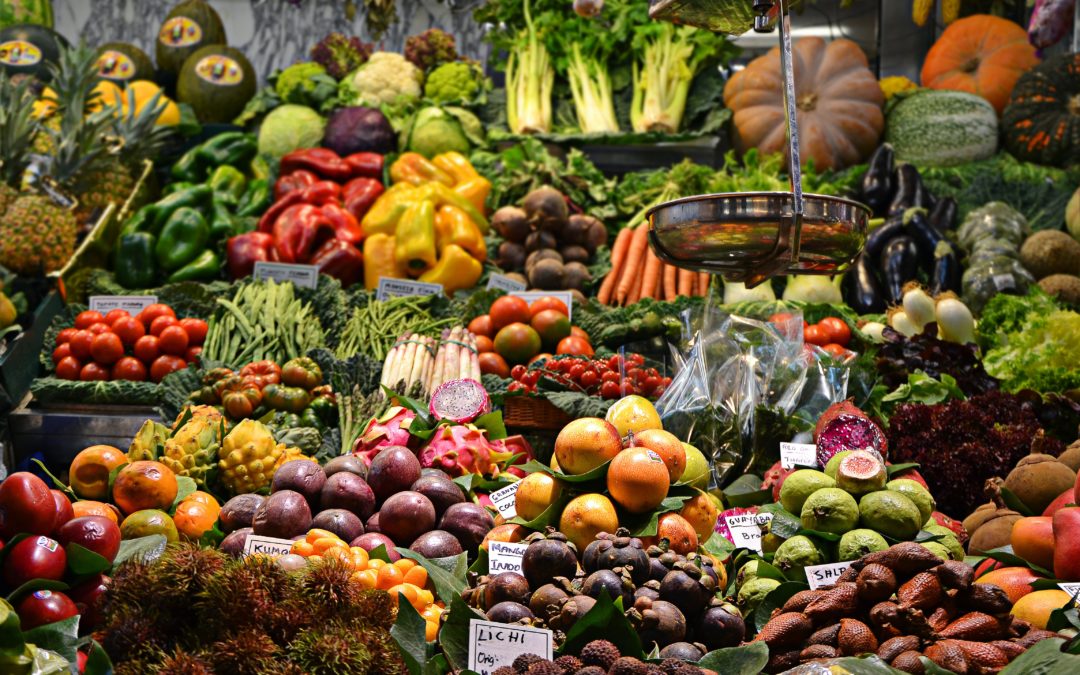
It’s no surprise that climate change is a threat to human well-being and natural systems, imposing great strain on natural resources and human capacity. The food system is an intriguing case because while climate change restricts its production, the production of food...
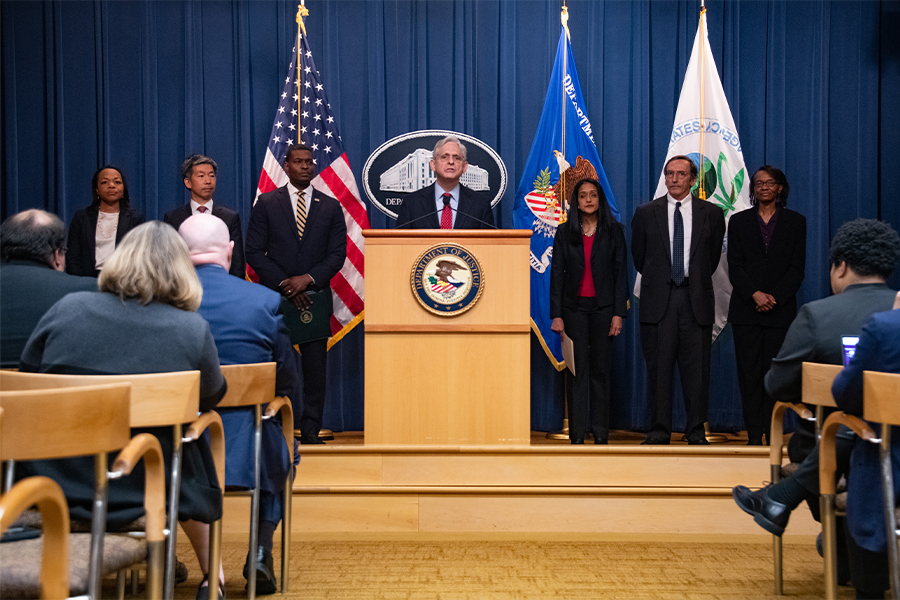
New announcements out of D.C. have signaled good news for environmental advocates. Attorney General Merrick B. Garland, of the Justice Department (DOJ), alongside the head of the Environmental Protection Agency (EPA), Michael Regan, launched several new actions...
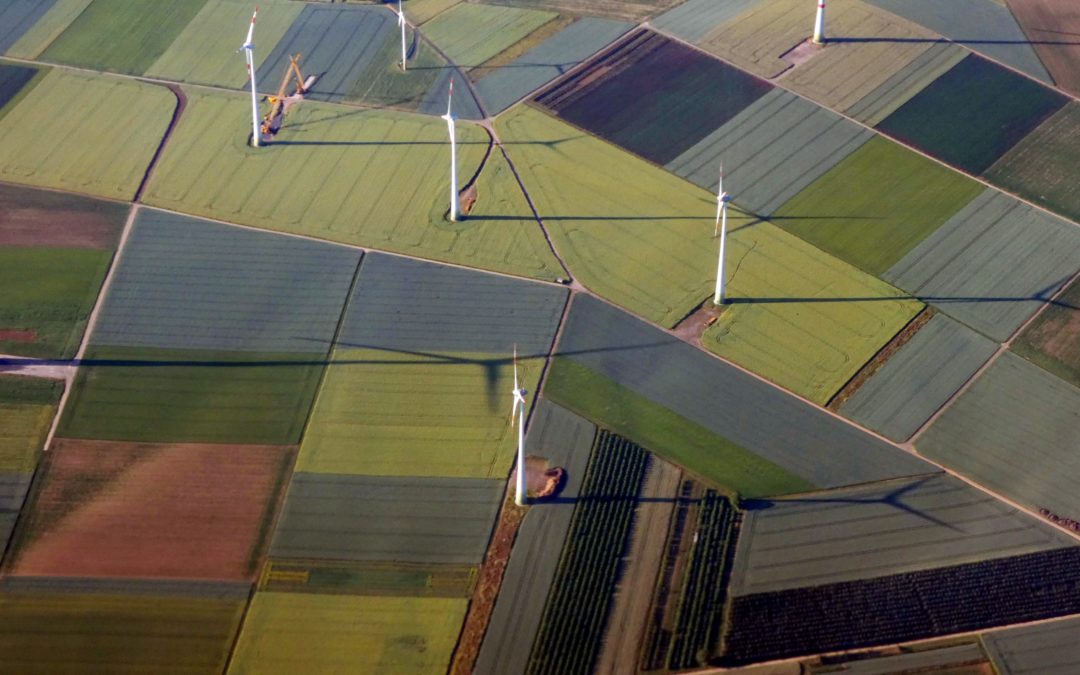
The phrase “climate resilient development” has been a continual feature throughout my IPCC blog post series, as it’s a key strategy in fighting climate change. The first post of the series discussed how integral adaptation strategies are, even with the barriers of...
A majority of the world’s population inhabits cities where climate risks and their impacts are becoming increasingly detrimental. Between 2015 and 2020, urban population growth has increased by over 397 million people, with 90% of that increase in less developed...
The threats from climate change are growing rapidly as global temperatures rise. The Intergovernmental Panel on Climate Change’s (IPCC) latest report warns that nature and humans may not adapt without swift climate action. Today, 3.3–3.6 billion people live in areas...