|
Wow, this was a long month! The last e-newsletter I wrote was exactly a month ago. Since then, I have had some adventures and learned some stuff, and you can bet I will be telling you all about it in the coming weeks.
This week, I spent time with interfaith colleagues from around the country, envisioning our work together over the next few months and years. I came away with new information and insights, and new appreciation for the amazing ecosystem that is the American interfaith advocacy community. I was grateful to get the opportunity to connect with US faith leaders on the heels of my time at the climate negotiations in Brazil: we have unique challenges in this country, and also common strengths and challenges with our siblings around the world.
Much of the conversation this week revolved around “prophetic voice.” Across the country, and here in Texas, people of faith and conscience are wrestling with basic questions:
- Why is our policy advocacy not working?
- How can our fellow Americans have such different priorities from us?
- What can we do to change the situation?
Learning answers to these questions requires us to listen lovingly, and to speak prophetically. Theologian Walter Brueggemann, author of The Prophetic Imagination, offers a vision of prophetic witness for our time grounded in his description of the role of the prophet throughout history.
The task of prophetic ministry is to nurture, nourish, and evoke a consciousness and perception alternative to the consciousness and perception of the dominant culture around us.
Prophecy is not a full-time career for a few, but the ongoing vocation of many. In American political culture, diverse people of faith and conscience have the opportunity and responsibility to offer their unique prophetic witness in the public square, where it can be in conversation with the visions and voices of others.
Texas Impact’s blog this week features the prophetic witness of Marilee Hayden, a member of our Reproductive Policy team. Marilee is a shining example of how imagination enables hope. Her analysis of how faithful advocacy impacted abortion legislation in 2025 reflects the complex interaction between culture and policy: “Laws will not change hearts, but people can.”
We’ve also been blessed in the past few weeks with a series of posts from United Methodist Caretakers of God’s Creation who attended COP30 virtually. As you read these posts, you’ll observe how each Caretaker’s voice is individual, and also resonates with other posts by other Caretakers from completely different contexts.
And on this week’s episode of Weekly Witness, Kat and Scott discuss the work of Texas Impact members, in legislative advocacy as well as in their own communities.
In 1941, nearly four decades before Walter Brueggemann published The Prophetic Imagination, the scene designer Robert Edmund Jones published a book called The Dramatic Imagination. While the two books cover apparently very different topics, they both identify the vital position of imagination as the precursor to action.
Jones was writing as motion pictures were entering the cultural mainstream, to the consternation of some in the theater. It was a time of profound conflict and change in the wider world. Jones urged, “In the theatre, as in life, we try first of all to free ourselves, as far as we can, from our own limitations….Then we may begin to dream.”
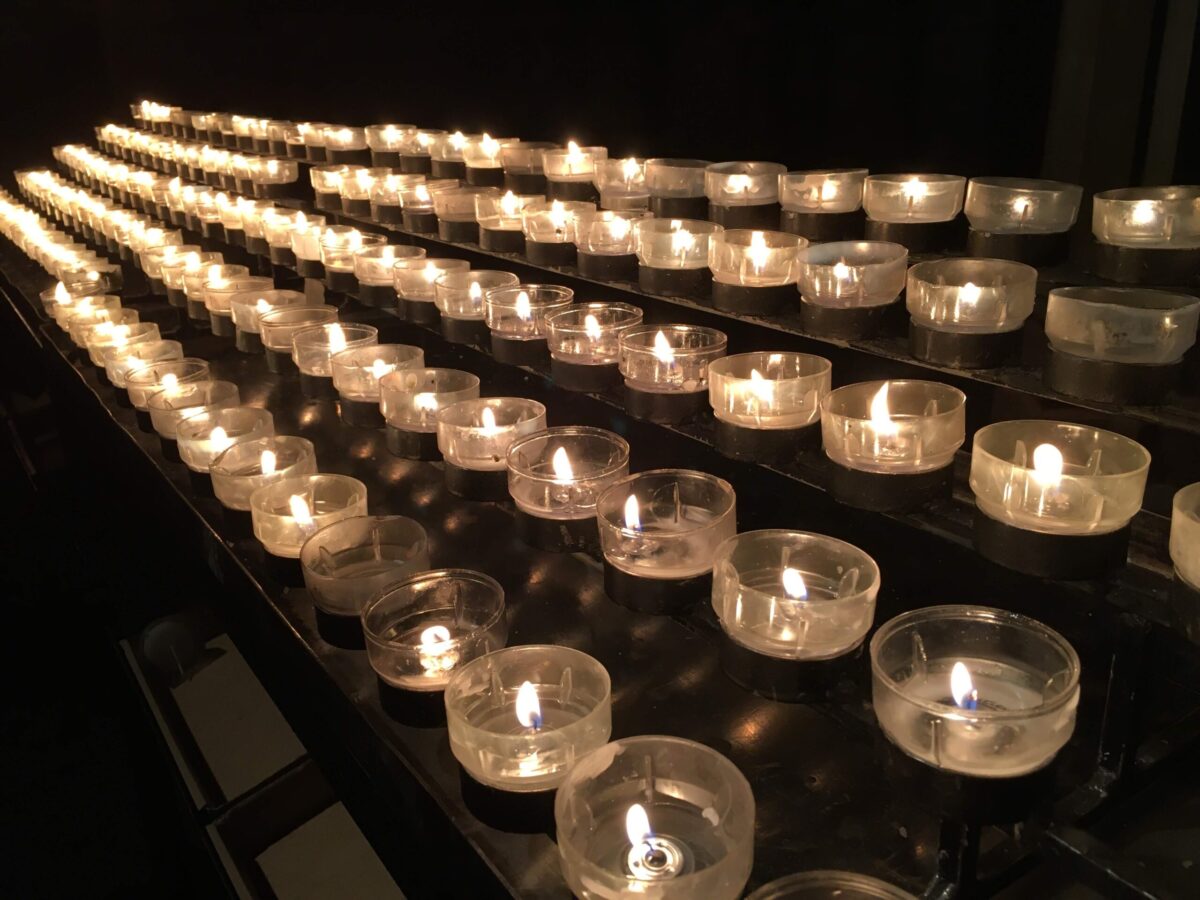
We are in the season of the year when hope takes center stage—and for many people, this year hope is feeling pretty lackluster. As we navigate the current turbulent waters of culture and policy, we can remember that imagination precedes hope. As Brueggemann put it, “The prophet is to provide the wherewithal whereby hope becomes possible again.”
Texas Impact members: you make us smile and make us proud. You also give us hope, because you share your prophetic witness—with us, and with the whole community. Thank you for your imaginative leadership!
Love, |