|
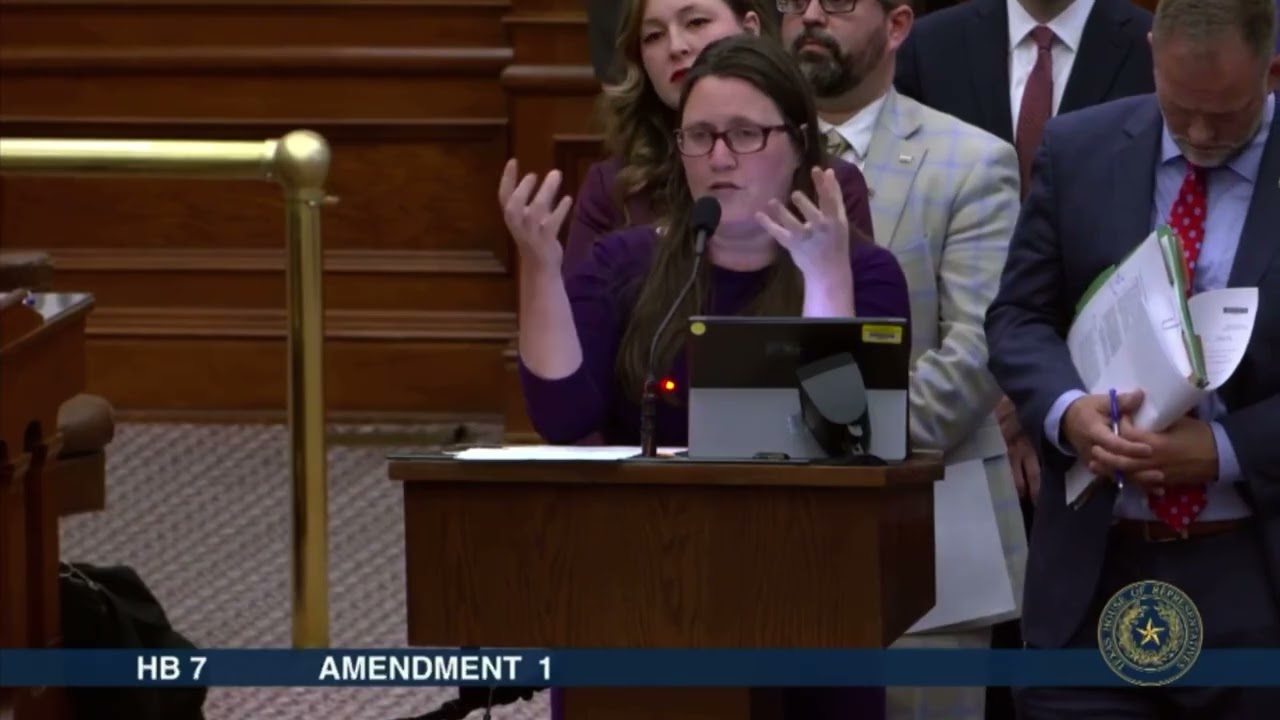
Also this week, the House passed HB 7 and SB 8.
HB 7 is intended to prevent abortion drugs from being used for non-emergency abortions. SB 8 is intended to force agencies and entities of state and local government to require trans Texans to use public restrooms that match their sex at birth.
Although HB 7 and SB 8 address different policy areas, they both use the same enforcement mechanism: the “qui tam” (kee-tam) lawsuit. In recent years, this form of law enforcement has gained traction in state legislatures, with Texas in the vanguard.
“Qui tam” is shorthand for a Latin phrase that means to bring a suit on behalf of yourself as an individual as well as the government. A person who brings a qui tam lawsuit is called a “relator;” that person typically does not need to be directly injured by the behavior the suit alleges; and the relator receives part of whatever settlement occurs if the court awards one.
A common use of qui tam is in identifying Medicaid fraud, or “false claims.” For example, the Texas Medicaid Fraud Prevention Act (“TMFPA”) allows whistleblowers to file qui tam lawsuits for false claims for payment from the state’s Medicaid program. A defendant found to have violated the Texas Medicaid Fraud Prevention Act may be liable for a civil penalty. A relator, or whistleblower, may be entitled to a share of the award, whether or not the state intervenes in the case.
In the case of Medicaid fraud, the state has a clear financial interest in preventing and punishing fraud. It seems fair to provide compensation to private individuals who help identify fraud because those individuals may risk their jobs by coming forward if, for example, they work for the firm committing the fraud.
But beginning in 2021, the Texas legislature embarked on a new qui tam regime that differs significantly from the Medicaid fraud model. The legislature’s new model has these characteristics:
- The offense of which the defendant is accused need not have created a financial cost to the government or caused harm other than “breaking the law.”
- Thus, the financial award if the relator prevails is an arbitrary amount set in law.
- The government does not receive any of the award: the relator gets the whole amount.
- An offense need not actually take place for the relator to bring a suit.
|