|
This week, we woke up to the news that Gov. Abbott had vetoed SB3, the bill to regulate THC, and was calling the legislature back for a special session to start July 21. Texas Impact will be activating our Rapid Response Network ahead of the special session, so stay tuned for more details in the next couple of weeks.
We’re having a lot of conversations these days about networks. Whether you are someone who is a natural “networker” or someone who takes their time developing a few, deep bonds, you live in a web of relationships that influence your agency and well-being. Understanding your network helps you be an effective advocate for your community and concerns.
What Makes a Session Special? The Texas Constitution provides that the Texas Legislature shall meet in regular session for 140 consecutive days beginning on the second Tuesday in January of odd-numbered years. The Legislature must adjourn Sine Die on the 140th day, no matter what.
But sometimes, there is a need for legislators to reconvene to consider issues that came up outside of the regular session, or didn’t get resolved to everyone’s satisfaction. In those cases, the governor is the only official with the authority to call a special session. A special session can last up to 30 days, and legislators only can consider bills that are “germane to the call.” That means, the subject of the legislation is on the list of items the governor has called the special session to address.
So far, the governor has called the special session that will start on July 21 to address six of the 28 bills he vetoed following the regular session. The highest-profile of these is SB 3, relating to regulation of products containing hemp-derived THC. Historically, special sessions are subject to “scope creep”—as long as lawmakers are back in session, there is intense pressure to add to the call items that didn’t make it through the regular session.
One possible additional topic for the special session might be congressional redistricting. This was not an issue the legislature addressed in the regular session, and it would not normally be done until 2031. It has come up because the Trump Administration is asking Texas to undergo mid-decade redistricting for the purpose of adding additional Republican congressional seats. Various groups are agitating for additional items to be added to the special session agenda, including some on issues of interest to faith communities, and in many cases we won’t know if an issue makes the list until the special session is underway.
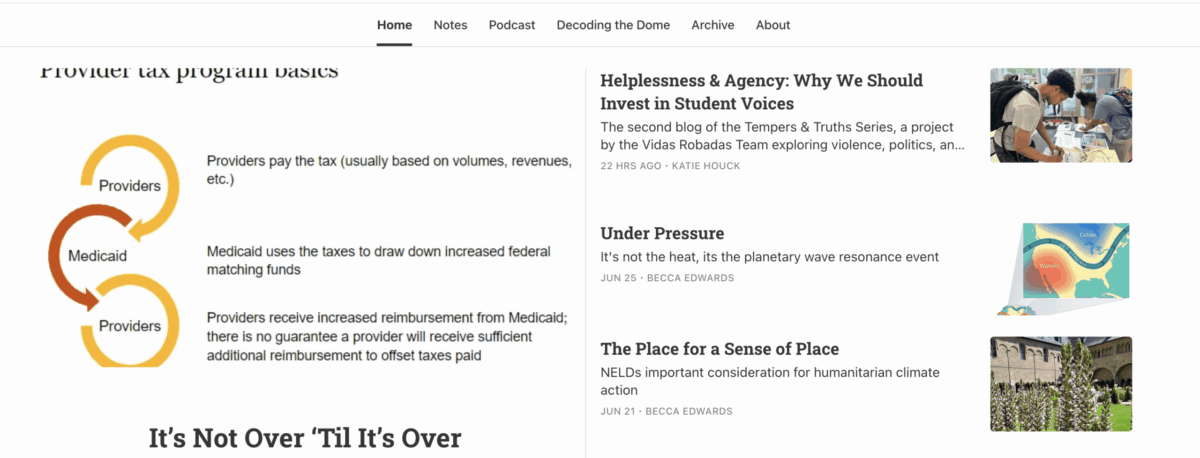
Also this week, Congress continued to struggle with the federal budget reconciliation bill. Rebecca participated in a webinar on proposed cuts to health and food assistance programs on Tuesday—access the recording and other resources from the webinar here. Members of Congress are expressing increasing concern about the bill, especially about the impacts on health care. Now is no time to stop calling—if you’ve already voiced your “thumbs down,” it’s time to make sure the folks in your network are calling, too.
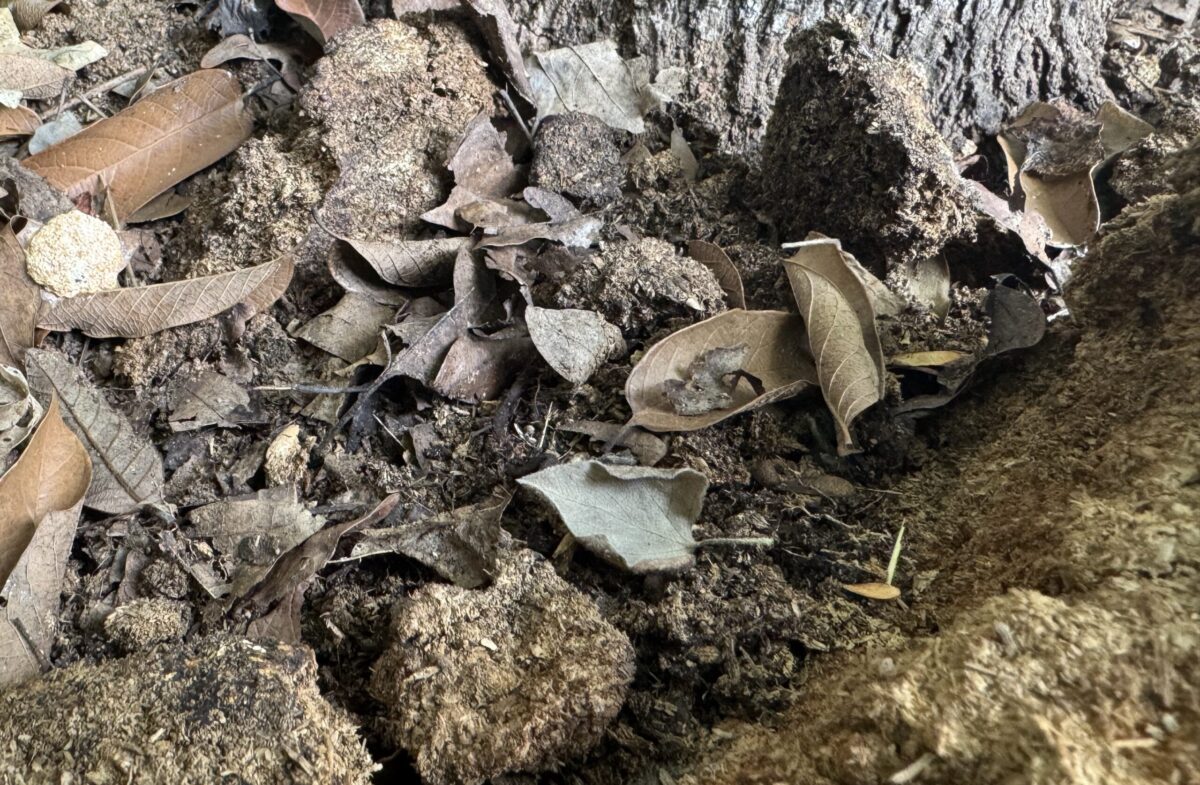
In recent years, scientists have learned a lot about another important network, the mycorrhizal network, which is the communication pathways fungi form between trees in a forest. There are a lot of great videos on this topic—one of the shortest, most accessible is this PBS short called “Why do Trees Talk to Each Other?”
As you think about the mycorrhizal network, you might consider how networks within and between communities help us share information, make each other stronger, and show love. Sharing, strengthening, and loving each other are cornerstones of the beloved community—what Martin Luther King, Jr., called the “inescapable web of mutuality.”
Summer is a great time to cultivate your networks. Repair frayed connections, weave new pathways, and infuse hopeful energy. And let us know how we can support your work!
Love, |