|
This week, Texas Impact staff members have been talking about peacebuilding.
To be clear, the specific issues we have been talking about include disaster response; food assistance; health care; immigration policy; free and fair elections; public school funding; and more.
But it turns out that all of those enterprises, and countless other policies and programs that address “structural violence–the underlying inequalities, injustice or conflict between groups of people by established institutions or processes,” are part of the work of sustaining peace, or “peacebuilding”—which is as relevant locally as it is globally.
In last week’s Hive Note, I mentioned attending a national convening of Common Ground-USA, to consider with colleagues from Texas and other states how we can prevent and de-escalate political violence in the United States. Common Ground-USA is an initiative of Search for Common Ground (SFCG), a 40-year-old organization that works to transform the ways people deal with conflict around the world by building trust and creating collaboration opportunities for adversaries. SFCG launched Common Ground-USA following January 6, 2021, to tackle the roots of conflict that could accelerate and intensify political violence in this country. Because SFCG and Common Ground-USA focus on mitigating drivers of conflict before they lead to conflict and violence, they are characterized as “peacebuilding” organizations.
So what exactly does “peacebuilding” mean, and how is it different from “peacemaking?” This resource from the University of Ontario’s Institute for Studies in Education provides a helpful framework:
Peacekeeping aims to control behaviour, to stop or limit violence that is occurring in a particular place and time, without addressing its causes. So, peacekeeping temporarily controls violent barriers to democratic justice. Peacemaking and peacebuilding are efforts to understand and resolve the problems motivating violent episodes, in ways that take care of the concerns, needs, and relationships of various parties.
Peacemaking works to resolve escalated conflicts after they erupt, through mutual dialogue and deliberation to jointly make fair decisions. Peacemaking dialogue is a necessary (though not sufficient) aspect of comprehensive peacebuilding.
Peacebuilding means co-developing healthy inclusive relationships and democratically negotiating fair processes, agreements, and institutions to repair and transform fundamental social-systemic injustices. Peacebuilding citizenship is participation in processes for making peace (resolving conflicts) and building peace (transforming social relationships).
For Americans, peacebuilding historically has referred to activities the United State undertook in other countries. This fascinating article by Michael Yaffe traces the history of the United States Institute of Peace from George Washington’s original idea to its establishment under the Reagan Administration, this publication from the United Nations provides a comprehensive orientation to UN peacebuilding, and this 2018 article reviews post-Cold War shifts in international approaches to peacebuilding.
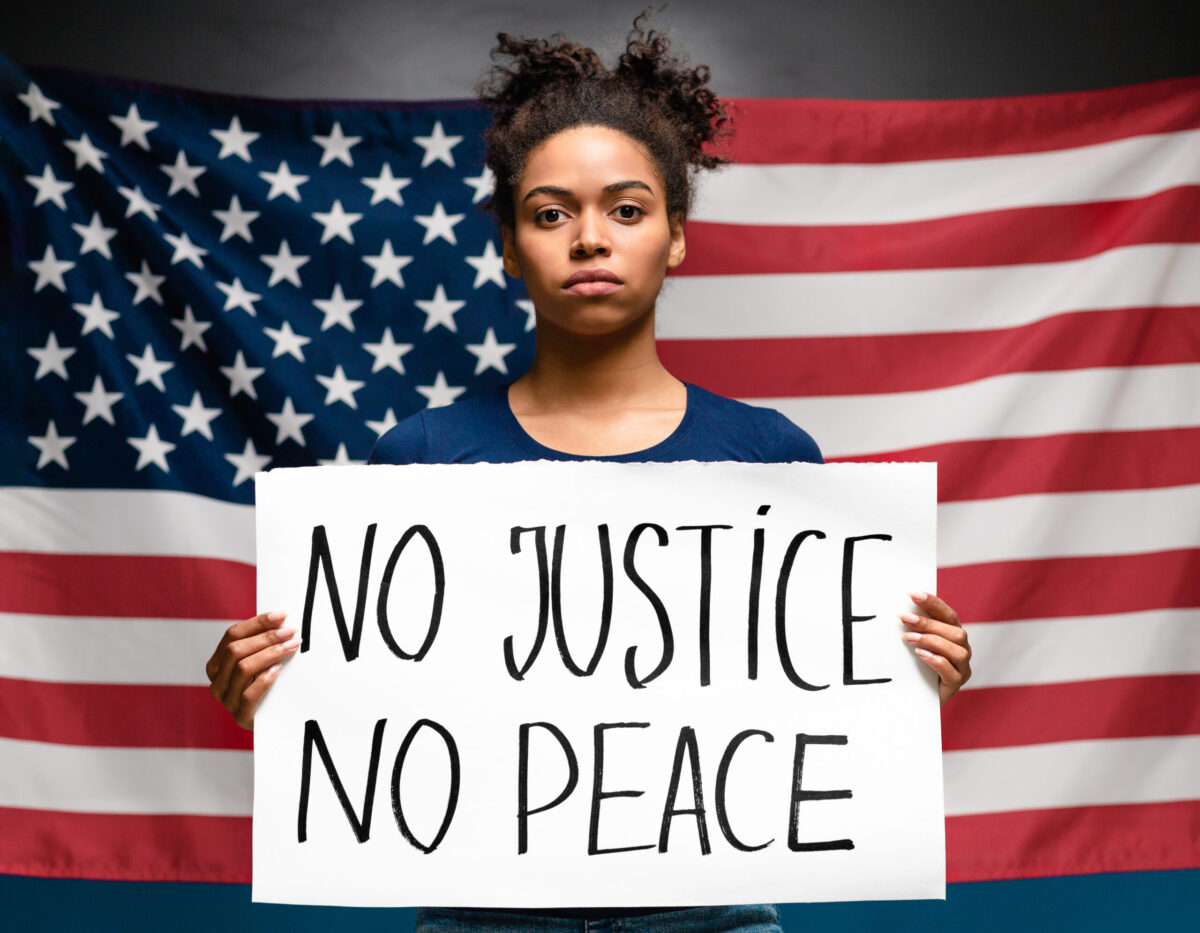
But the processes of peacebuilding are as relevant in American communities as they are anywhere else in the world. The same conditions that international experts identify as drivers of conflict—inequality, marginalization and exclusion—are present in communities throughout Texas and the US. Instead of bifurcating faith-based social action into “peace” and “justice,” we can consider that our public policy advocacy on human rights, human dignity, and human needs aims to cultivate conditions for peace.
The first annual United Nations Peacebuilding Week is coming up June 22-26, and many of the sessions will be streaming. Check the side event schedule for a list. If you attend any of the sessions, let us know—we’d love to hear your takes on the information.
Meanwhile, closer to home, Texas Impact’s events schedule for the summer is expanding. Be sure to check the Events page on our website for opportunities to learn, connect, and take action. And remember: the actions you take for justice are also actions you are taking for peace.
Thanks for everything you do to build peace, in Texas and everywhere.
Love, |