|
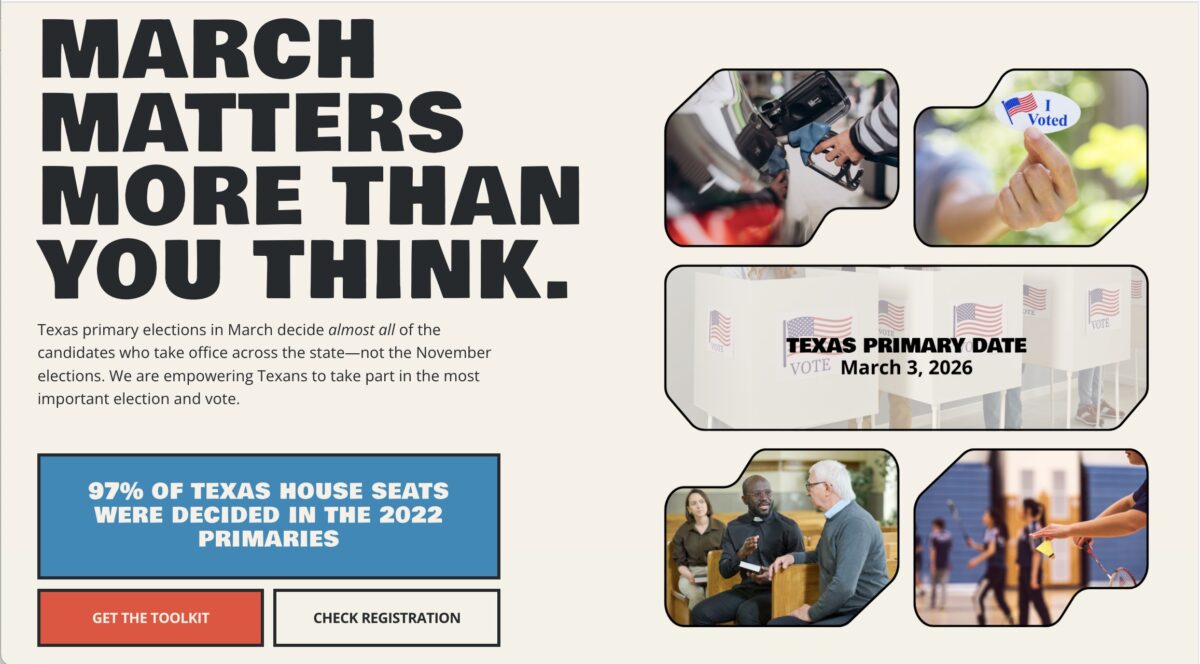
Also this week, Texans voted early in the primary elections. As Rebecca writes, Texas is experiencing record-breaking voter turnout. Many factors drive voter turnout, including high profile races, the relative popularity of incumbents, and even the weather. Availability of information about elections and voting is important, and this year congregations, businesses, and other community organizations have been working hard to ensure Texans have the information they need to vote.
On this week’s episode of Weekly Witness, Scott visited with Regina Banks, our colleague at the Lutheran Office of Public Policy-California. Regina talks about the role religious social statements play in shaping her organization’s policy positions. (Texas Impact takes the same approach in our work.)
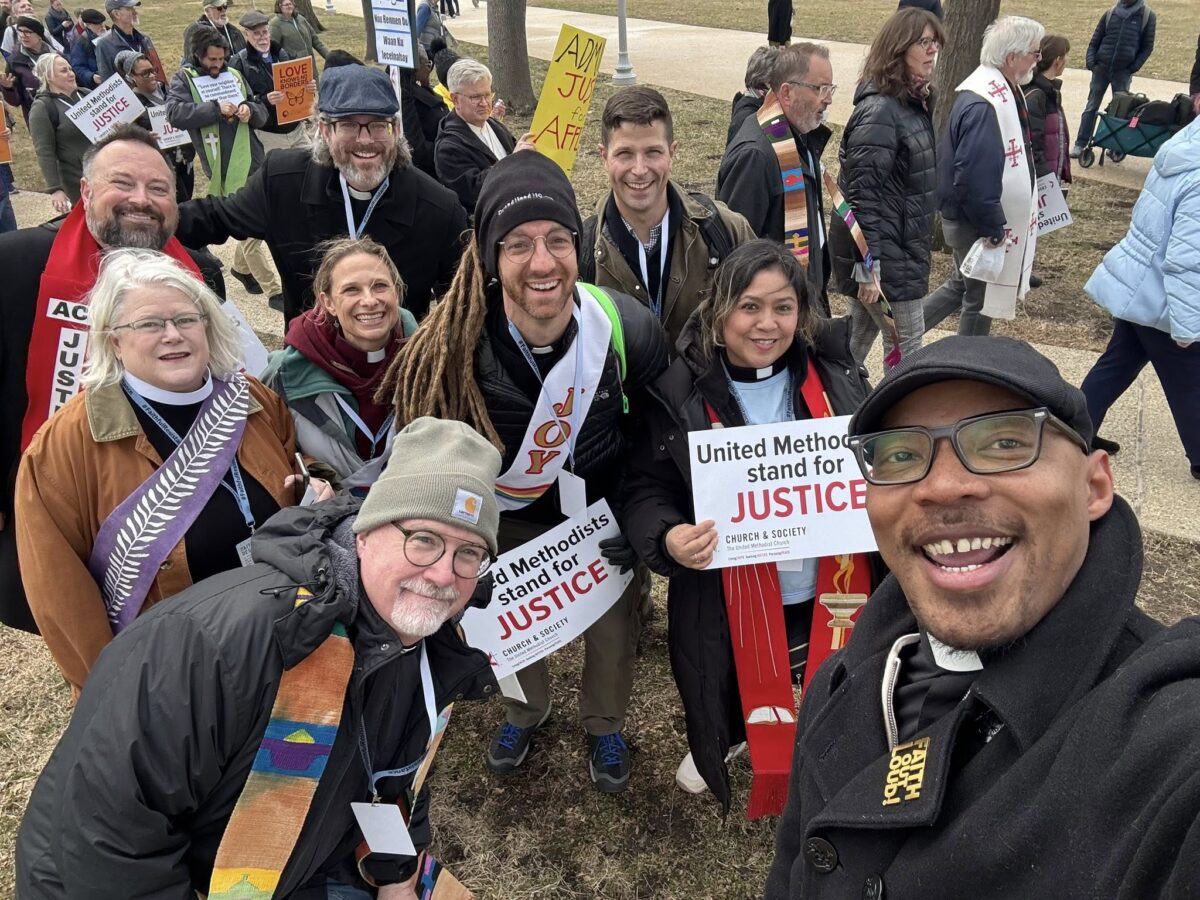
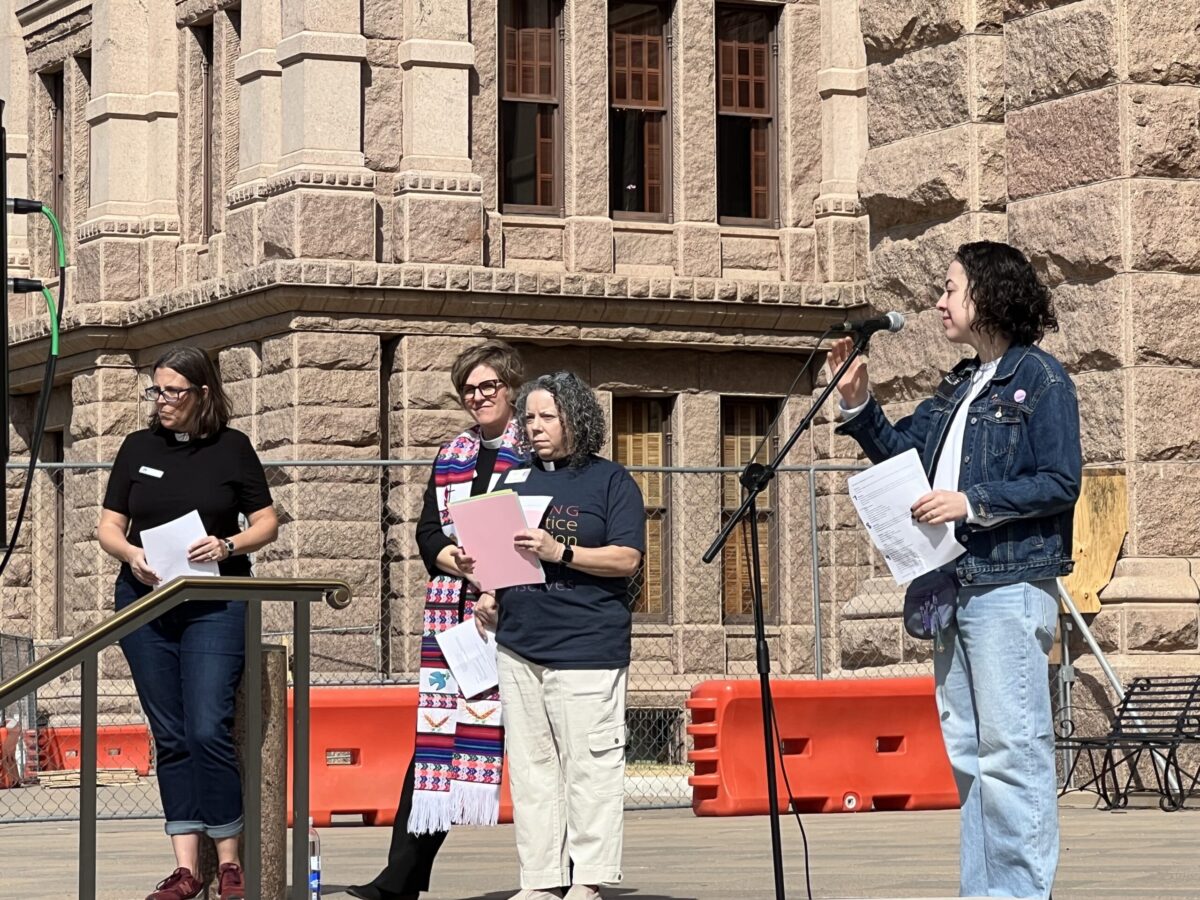
People of goodwill in Texas, California, and across the country, are taking action based on our values. We are voting, advocating, demonstrating, and praying to advance the vision of beloved community we share.
So it was jarring to end the week with a meeting about crisis management and political violence in the context of the midterm elections. Jarring, but necessary.
Texas Impact is a partner in Resilient States, a project of Search for Common Ground. Search for Common Ground works to transform the way people deal with conflict, building healthy, safe, and just societies around the world through building trust and creating collaboration opportunities for adversaries. In this capacity, we are working with leaders from across civil society in Texas, as well as colleagues in other states, to develop strategies to prevent violence in the increasingly polarized US political environment.
And participants in this week’s meeting were unanimous in their concerns about the November elections. Especially given the administration’s interest in “nationalizing” elections, many political observers see potential for election-related violent conflict to erupt in local communities. Studies on political violence in the US highlight the particular threats local officeholders and election officials face. The US Election Assistance Commission provides guidance to election administrators, who are particularly vulnerable:
- Unlike private citizens, state and local election officials are public servants. Many election officials are directly elected or are appointed by a public body. This means that personal information, including personal addresses and contact information, may be on official public records.
- The public is less likely to trust the outcome of an election if their preferred candidate(s) loses. Additionally, individual members of the public may blame the system for political losses or distrust. Unfortunately, what the public views as a faceless system is in fact run by real people.
- According to the Pew Research Center, women are more likely to report facing extreme harassment or threats online: “Women who have been harassed online are more than twice as likely as men to say they were extremely or very upset by their most recent encounter (34% vs. 14%).” This is especially concerning for election officials since, according to the Democracy Fund, women make up 80% of all local election officials.
As we celebrate increasing voter turnout, remember to celebrate the local public servants who are making the system work for all voters. Commit to knowing your local election officials and having their backs. Thanks to their work, while we can’t all march to the US Capitol, we can march down to our polling place and live into our faith tradition’s teachings. |